




1. Color & Appearance
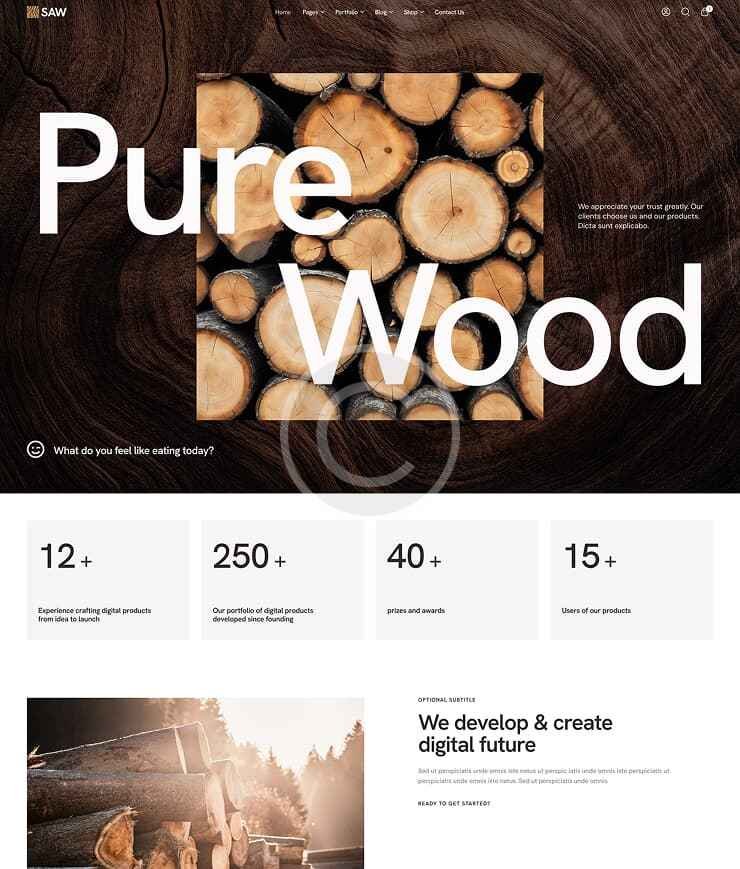
Aesthetic Evolution: Freshly cut teak logs typically exhibit a warm medium-to-light brown shade, which naturally matures and deepens into a rich, lustrous patina as it ages.
Touch & Feel: Due to its high concentration of natural rubber and oils, genuine teak possesses a distinctive, slightly greasy or oily texture to the touch.
2. Grain & Texture Profile
Grain Structure: The timber generally features a straight grain pattern, though occasional wavy or interlocked grains can appear, adding unique character to the wood.
Texture & Pores: Teak has a coarse surface texture accompanied by medium-sized open pores.
Note on Origin: American teak typically contains the lowest natural oil content compared to high-oil regional varieties such as Burmese or African teak.
3. Natural Durability & Pest Resistance
The Gold Standard in Decay Resistance: Teak heartwood is globally recognized as an industry benchmark for longevity, offering exceptional resistance to fungal decay and rotting.
Termite Immunity: The presence of natural oils provides built-in shielding against termites, wood borers, and environmental pests without requiring immediate heavy chemical treatments.
4. Machining & Workability
General Fabrication: Teak is remarkably easy to cut, turn, shape, and plane across nearly all woodworking applications.
Tool Wear Warning: Because teak contains significant levels of natural silica (reaching up to 1.4%), it has a notable blunting effect on saw blades and cutting tools—carbide-tipped tools are strongly recommended.
Gluing & Finishing: While teak generally finishes and glues well, its natural surface oils can occasionally interfere with adhesion. Wiping the surface down with a suitable solvent prior to gluing or finishing ensures a strong, lasting bond.
5. Aroma
Freshly Milled Scent: During initial log sawing and fresh milling, teak releases a distinct, pleasant, leather-like aroma.
6. Environmental & Sustainability Status
Conservation Standing: Teak timber species are currently not listed under the CITES Appendices or tracked on the IUCN Red List of Threatened Species, making it a reliable choice when sourced responsibly from managed plantations and mills.